
Keeping Cool Under Pressure: Conveyor Belt Solutions for Hot Summer Months
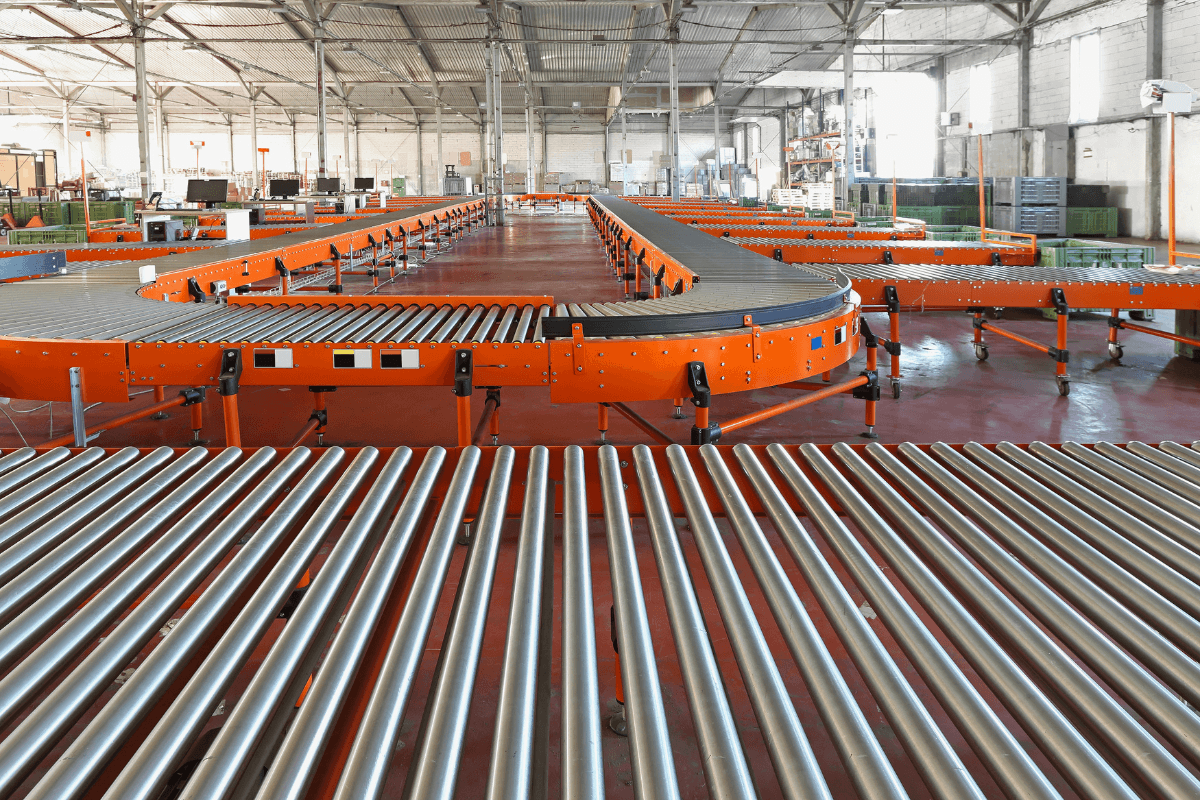
As summer temperatures rise, so do the challenges for many industrial and logistics operations. While people can take breaks or cool down, conveyor systems are expected to keep working — often in hot, humid, or poorly ventilated environments. Without the right belt solutions, heat can lead to performance drops, premature wear, and costly downtime.
At Chiorino, we understand how environmental conditions can affect system reliability. That’s why we offer high-performance conveyor and process belts designed to maintain efficiency and durability — even under extreme temperatures.
Here’s how heat affects your conveyor belts, and how to prepare your system for the demands of summer.
How Heat Impacts Conveyor Belt Performance
Warm weather may not seem like a major operational threat — but for conveyor belts, it can be a hidden stressor.
High surrounding temperatures and continuous equipment use can cause:
- Material softening or deformation, especially in synthetic belts
- Loss of tension and increased slippage, affecting product handling
- Expansion or shrinkage in belt materials, which can impact tracking and alignment
- Higher friction and surface wear, particularly on fast-moving lines
- Reduced grip or inconsistent performance, especially in hot, humid settings
These issues can lead to misaligned belts, increased maintenance, and even unplanned shutdowns.
Industries Most Affected During the Summer Months
Some environments are more vulnerable to heat-related belt issues, including:
- Food and beverage production — where belts must maintain hygiene, tension and grip in hot production areas
- Warehousing and logistics — especially in large, fulfilment centres with limited ventilation
- Packaging lines — where fast machinery generates additional surface heat
When high temperatures meet high demand, choosing the right belt becomes critical.
Belt Materials Designed to Handle the Heat
At Chiorino, we offer a wide range of temperature-resistant conveyor and process belts engineered for summer conditions. These include:
- Heat-stable materials that maintain shape and flexibility even under prolonged exposure to high surrounding temperatures
- Specialist coatings that reduce friction and limit the build-up of surface heat
- Thermally stable fabric reinforcements that help preserve belt tension and tracking accuracy
These material innovations are designed not just to withstand the heat, but to keep your operations running smoothly — reducing wear, preventing downtime, and supporting consistent performance in challenging summer conditions.
Design Features That Help Belts Stay Cool
Heat-resistant materials are just one part of the solution. Belt design can also make a significant difference in keeping systems efficient during warmer months.
Features that help reduce heat-related performance issues include:
- Low-friction surfaces, which reduce the amount of heat generated through movement
- Lightweight constructions, which place less strain on motors and drives
- Ventilated or open-weave designs, allowing air to circulate and prevent build-up of heat
- Smooth, non-stick coatings, which prevent product sticking or belt contamination under warm, humid conditions
When combined, these features support smoother, cooler, and more consistent conveyor performance all summer long.
Maintenance Tips for Summer Efficiency
Even the best-designed belt can suffer if it’s not properly maintained — and hot weather tends to accelerate minor issues into major ones.
As temperatures rise, materials behave differently. Belts can expand, contract, soften, or lose tension. Motors and drive systems may also work harder than usual, especially in warm, dusty, or poorly ventilated areas.
Here are some targeted summer maintenance tips to help prevent breakdowns and extend belt life:
Check belt tension regularly
Heat can cause belt materials to stretch or slacken, which may lead to tracking issues, slippage, or inefficient product handling. Adjustments may be needed more often than usual in warmer months.
Inspect joints and splices
Heat and vibration can put extra stress on belt joints, leading to wear and misalignment. Early inspection helps you spot issues before they cause a system failure.
Keep belts clean
Dust, grease, or product residues build up faster in summer conditions — especially in outdoor or open-door environments. Regular cleaning keeps the surface clear, reduces wear, and improves hygiene.
Monitor motor loads and belt slippage
Increased friction due to heat can place extra load on drive systems. Watch for signs like increased energy use or minor slips, which could point to bigger mechanical issues.
Plan ahead with seasonal maintenance
Don’t wait for a failure — schedule checks and servicing before summer starts.
A proactive maintenance plan not only prevents unexpected downtime but also helps extend the lifespan of your belts, pulleys, and drives — saving time and cost in the long run.
Chiorino’s Expertise in High-Temperature Belt Solutions
With decades of experience across industries, we understand that no two operations are alike — and that heat can impact performance in different ways.
Our team designs and delivers bespoke conveyor solutions tailored to the specific conditions of your operation, whether that’s a food processing plant in a high-humidity zone, or a warehouse in direct summer sunlight.
In summary, hot summer conditions can put unexpected strain on conveyor systems — affecting performance, reliability, and product handling. But with the right belt materials, thoughtful system design, and preventative maintenance, you can ensure your operation stays productive and efficient all summer long.
Ready to Upgrade Your Conveyor Systems?
Explore our range of specialist conveyor products here or contact our team to discuss the ideal solution for your summer operational needs.