
Conveyor Belt Trends: What to Expect in the UK Market Over the Next 5 Years
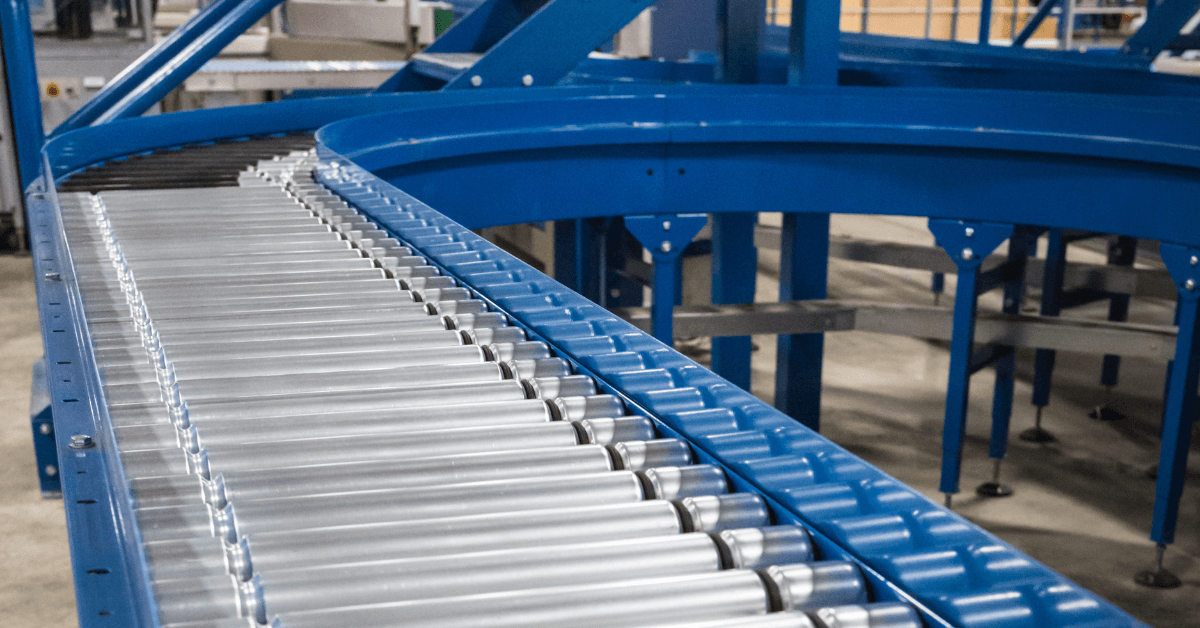
The conveyor belt industry is evolving rapidly, driven by technological advances, sustainability concerns, and the ever-changing demands of various industries. In the UK, this market is set for some exciting transformations in the next five years. As businesses look to boost efficiency, reduce costs, and embrace automation, understanding the emerging trends in conveyor belts is key to staying ahead of the curve.
In this blog post, we’ll explore the most significant trends shaping the UK conveyor belt market, from automation and sustainability to material innovations.
1. Technological Advancements in Conveyor Belts
One of the most exciting developments in the conveyor belt industry is the rapid adoption of automation and smart technologies. With the rise of Industry 4.0, conveyor systems are becoming smarter, more intuitive, and capable of making real-time adjustments. This means more efficient operations, less downtime, and better maintenance.
Automation & Smart Conveyors
Conveyor systems are now equipped with sensors, IoT (Internet of Things) integration, and AI to collect and analyse data in real-time. These smart conveyors can monitor performance, predict maintenance needs, and even adjust their speed or direction based on production demands.
Robotic Integration
Conveyors working alongside robotic arms are becoming more common, especially in sectors like automotive manufacturing, food processing, and pharmaceuticals. The seamless integration of these technologies enhances productivity, reduces human error, and ensures higher safety levels.
The impact of these advancements cannot be understated—companies will be able to run more efficient operations with fewer disruptions, leading to improved bottom lines and better customer service.
2. Environmental & Sustainability Trends
As sustainability becomes a global priority, the conveyor belt industry is stepping up to the challenge with greener, more eco-conscious solutions.
Eco-Friendly Materials
The UK market is seeing a shift towards conveyors made from more sustainable materials. For instance, there is growing interest in belts made from recyclable or biodegradable plastics, which are not only better for the environment but also offer comparable durability to traditional materials.
Energy Efficiency
Conveyor systems are now designed with energy efficiency in mind. With rising energy costs, UK businesses are increasingly focused on reducing consumption. Energy-efficient motors and drives, as well as systems that recover and reuse energy, are becoming the norm.
Compliance with Regulations
The UK government’s tightening regulations around emissions and waste are also pushing conveyor manufacturers to develop solutions that comply with environmental standards. With the drive towards reducing carbon footprints, conveyor belts that contribute to energy savings and reduced waste are expected to gain more traction in the market.
By embracing these green trends, businesses not only reduce their environmental impact but can also benefit from cost savings and improved public perception.
3. Industry-Specific Trends
Different sectors have unique needs, and conveyor belt solutions are evolving to meet them. From food production to pharmaceuticals, each industry is benefiting from tailored conveyor systems that improve safety, productivity, and compliance.
Food & Beverage
Conveyor belts in this sector must meet stringent hygiene standards, which is why manufacturers are developing belts that are easier to clean, resistant to bacteria, and capable of withstanding high temperatures. The demand for antibacterial belts is rising as companies prioritise food safety.
Automotive
As the automotive industry shifts to faster production cycles and more efficient manufacturing processes, the demand for high-performance, durable conveyor systems increases. Automation and flexibility are key drivers here.
Pharmaceuticals
In this highly regulated industry, precision and cleanliness are paramount. Conveyor systems must prevent contamination and meet strict safety standards, leading to the rise of hygienic conveyor solutions designed for this specific purpose.
4. Material Innovations: Performance and Durability
As industries demand more from their conveyor systems, material science is evolving to meet those needs.
High-Performance Materials
Conveyor belts are increasingly being made from advanced polymers, steel cords, and other materials that offer superior durability, load-bearing capacity, and resistance to wear and tear. These materials ensure longer-lasting belts, reducing the frequency of replacements and lowering maintenance costs.
Customised Conveyor Belts
Companies are increasingly seeking conveyor solutions tailored to their specific needs. Whether it’s a unique design, size, or a belt that can handle specific temperatures or chemicals, the trend towards customisation is expected to grow in the next few years.
With the right materials and tailored solutions, businesses can extend the lifespan of their conveyor systems, reduce downtime, and enhance overall productivity.
5. Cost-Effectiveness and ROI
In an era where every penny counts, businesses are looking for ways to reduce operational costs without sacrificing quality. Modern conveyor systems are designed with long-term savings in mind.
Long-Term Cost Savings
While the initial investment in high-tech conveyor systems may be higher, the savings in energy costs, maintenance, and downtime make up for it over time. Conveyor systems that require less frequent maintenance and have a longer service life provide a better overall return on investment.
Total Cost of Ownership
Businesses are increasingly considering the total cost of ownership (TCO) when evaluating conveyor systems. This includes installation, maintenance, energy consumption, and the cost of downtime. With more efficient and durable systems on the market, companies can lower their TCO and boost profitability.
6. The Role of Digital Tools and Conveyor Belt Management Systems
The integration of digital tools into conveyor belt management is an important trend that will continue to grow over the next five years.
Conveyor Belt Monitoring
Advanced monitoring systems allow businesses to track their conveyor belts’ performance remotely. This allows for proactive maintenance and ensures that any issues are detected before they cause significant downtime.
Data Analytics
Using data to optimise conveyor system performance is becoming increasingly popular. Predictive analytics help businesses foresee potential problems, schedule maintenance more effectively, and optimise operations for maximum efficiency.
7. Labour Market and Conveyor Technology
As automation continues to take centre stage, conveyor systems are helping to reduce reliance on manual labour while improving efficiency and safety.
Reducing Labour Costs
The shift towards more automated conveyor systems means fewer workers are needed for tasks like loading and unloading. This is particularly beneficial in industries like logistics and warehousing, where labour costs are high.
Skilled Workforce
With the growing reliance on advanced conveyor technologies, there is an increasing demand for skilled workers who can install, maintain, and monitor these sophisticated systems.
8. Market Growth and Challenges
The conveyor belt market in the UK is set to grow significantly over the next five years, driven by the increasing demand for automation and more efficient operations across various sectors.
E-Commerce Growth
The rise in online shopping and increased demand for faster delivery times is pushing the need for more advanced conveyor systems, particularly in warehouses and distribution centres.
Supply Chain Challenges
As the UK continues to navigate post-Brexit supply chain issues, the demand for conveyor systems that are easier to maintain and more reliable will grow.
In summary, the next five years are set to bring exciting changes to the UK conveyor belt market. Technological advancements, including automation, smart conveyors, and energy-efficient solutions, will dominate the industry. With increasing attention on sustainability, businesses will be looking for eco-friendly and energy-saving solutions.
By staying informed about these trends, businesses can ensure they remain competitive and continue to benefit from the latest innovations in conveyor technology.
Want to learn more about how conveyor belt technology can improve your business operations? Take a look at our full range of products or get in touch with our experts for tailored solutions that suit your needs. Stay ahead of the competition with cutting-edge conveyor systems designed for maximum efficiency and sustainability.